Power & control
Off-grid operating platform
- Solar array
- 3 × 410W fixed-angle panels
- Power system
- 24VDC
- Battery bank
- 24V, 450Ah
- Charge control
- Victron MPPT 45A
- AC charging
- Victron 16A; 15A/120V input
- Data logger
- Victron Cerbo GX
Security cameras, mobile platforms, AI-enabled tools, and supporting infrastructure planned around coverage, response, reliability, and the people who must use them.
Secure Sight US’s AI-enabled video-monitoring platform brings customer camera access and operator alarm workflows together in one secure environment. Authorized customers and operators can access the platform through the LambethAI portal.
A towable, solar-powered platform for temporary, remote, and rapidly changing surveillance needs. The XLS3 combines an 18-foot manual mast, onboard power, lockable equipment storage, and a configurable surveillance payload in one deployable unit.
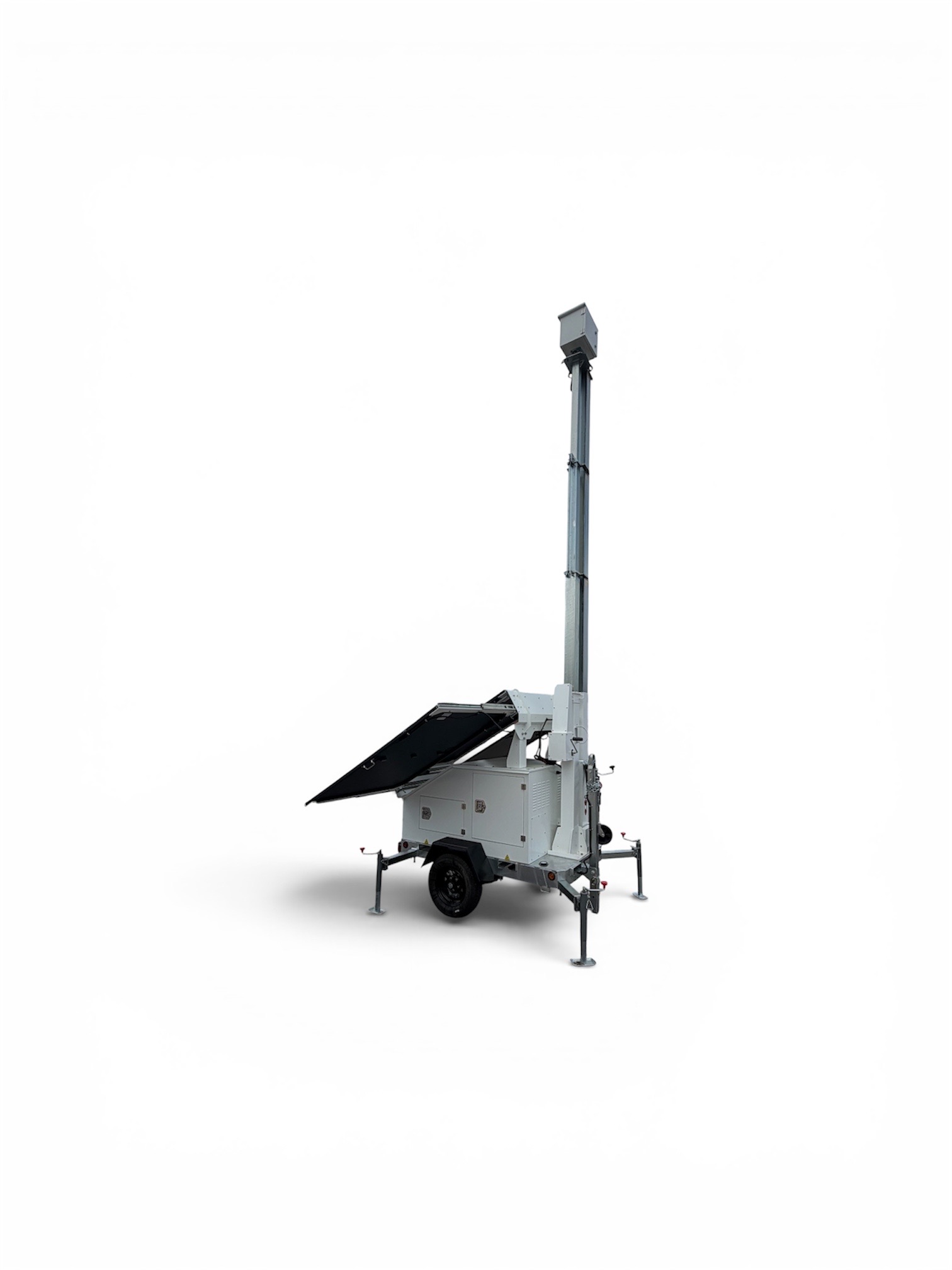
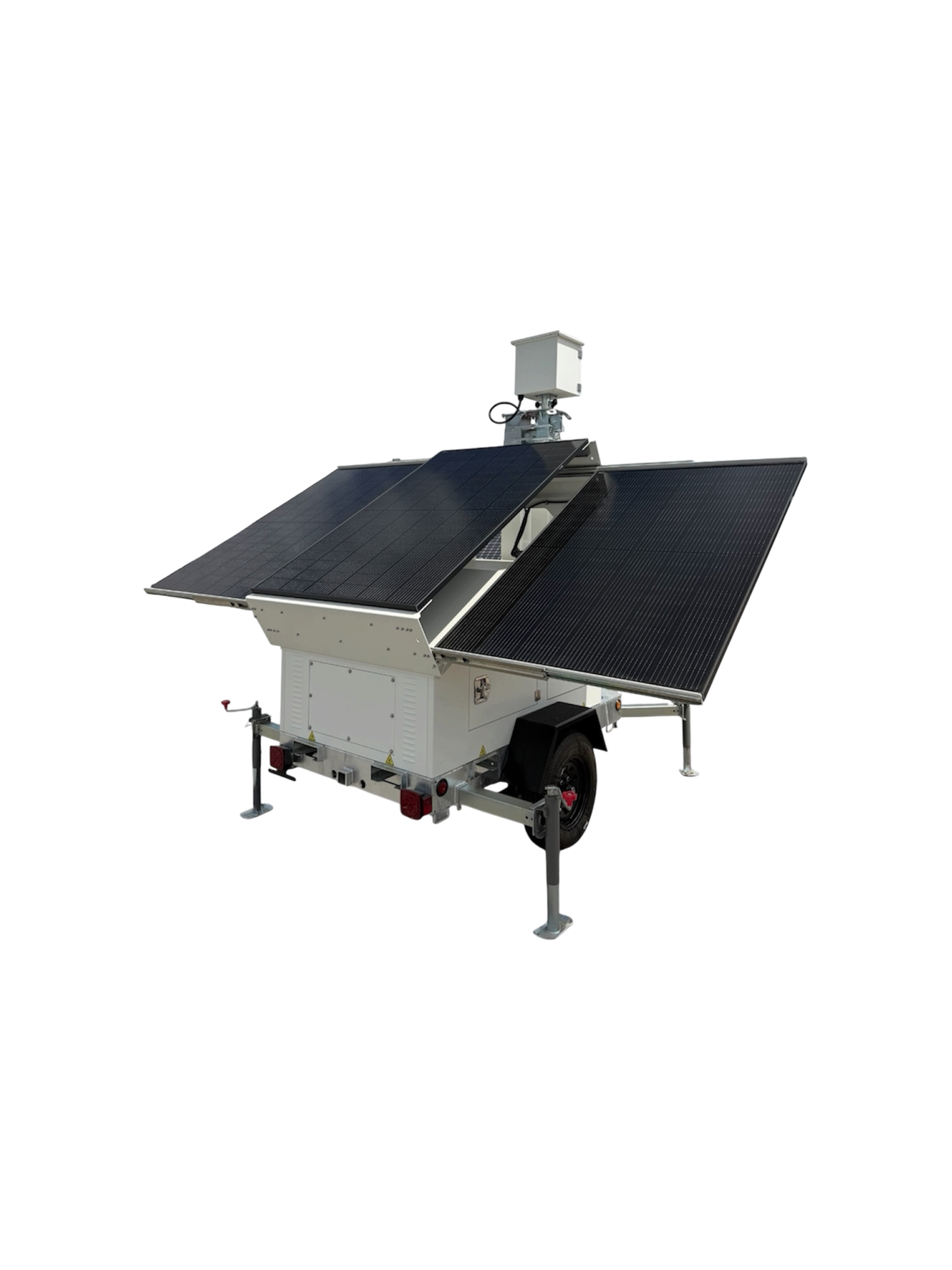
The base platform can be paired with a turnkey surveillance package or other optional equipment selected around coverage, connectivity, recording, analytics, monitoring, and response requirements.
Published specifications reflect the supplied Model XLS3 sheet and should be confirmed for the final configuration.
Secure Sight’s technology work is grounded in practical security operations and lifecycle thinking—not equipment specifications alone.
Camera, recording, networking, storage, coverage, and operational-use planning for fixed environments.
Configurable mobile and solar-capable platforms for temporary, remote, or rapidly changing security needs.
Review existing systems for coverage gaps, reliability issues, usability, infrastructure, and upgrade priorities.
Evaluate analytics and automated alerts in relation to verification workload, response capacity, and governance.
Source appropriate cameras, supporting components, and system options with commercial roles clearly disclosed.
Develop specifications, deployment priorities, operating concepts, acceptance criteria, and transition plans.
Useful surveillance depends on more than image quality. Coverage, lighting, connectivity, power, storage, alert configuration, monitoring, response procedures, maintenance, cybersecurity, and privacy all affect whether the system produces value.
Secure Sight considers the full operating chain so technology supports the security program rather than becoming an isolated purchase.
Document the security objective, environment, users, and response expectations.
Develop coverage, infrastructure, component, and operating requirements.
Compare suitable options and disclose any Secure Sight commercial role.
Support deployment, testing, procedures, training, and ongoing performance review.
Start by defining the coverage, response, and operating outcome the technology must produce.